Turf Matters

The Site To Go To For All Your Turf Matters

  • Facebook Likes

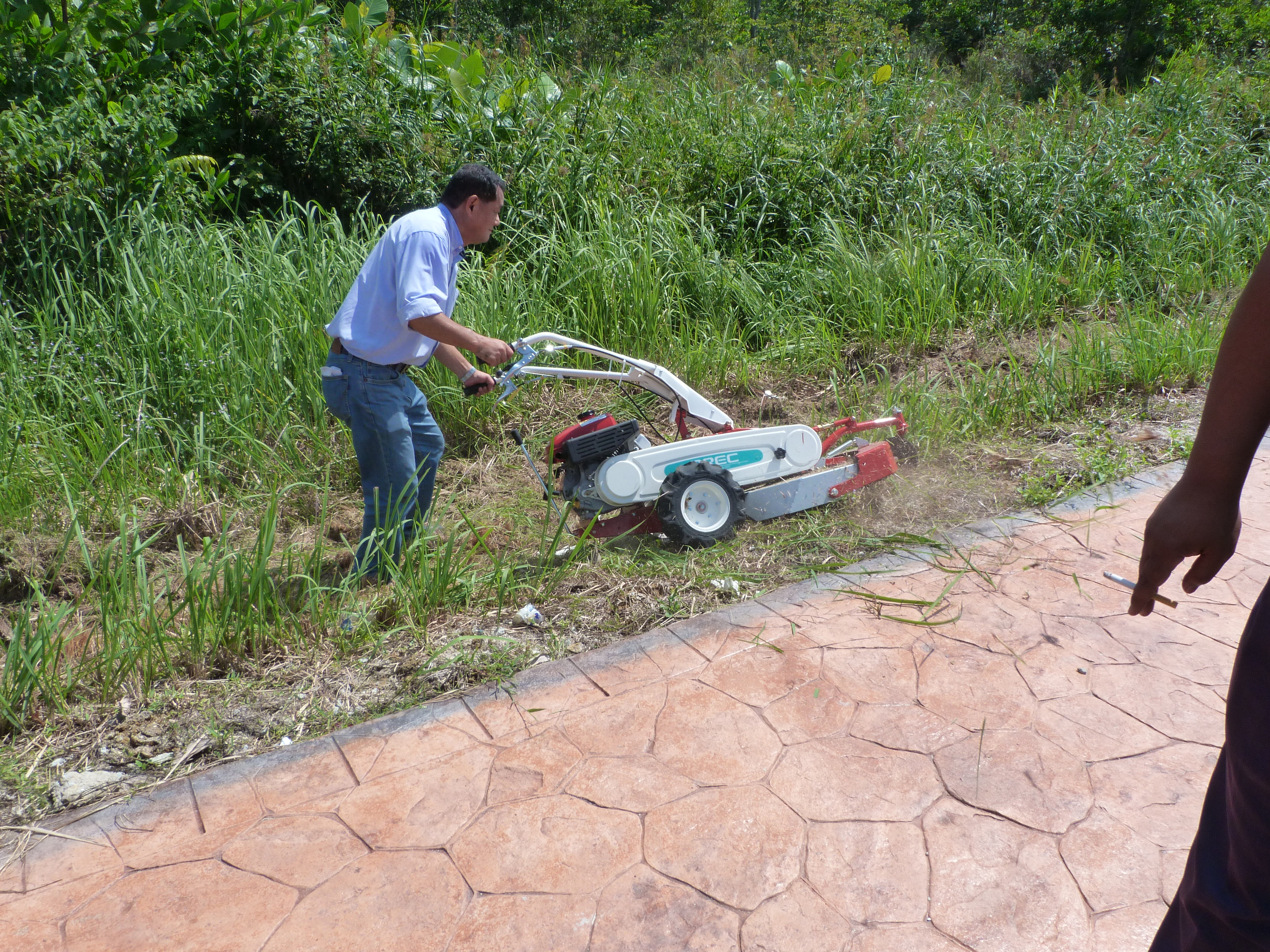
  • The new Brushcutter

    Pengganti Brushcutter

    Increase productivity, cut labour. Try the AM61A

  • Trees Nursery

    Forest trees nursery

    Get your Trees from this nursery

Archive for the ‘Golf Course’ Category

Weed Succession

Posted by mynormas on May 11, 2015

The title is not about the success in removing weeds altogether… but… dream on. What I wanted to talk about is called weed succession. It was taught to me by a fresh graduate 20 years ago. God… that makes me feel really old. I don’t remember learning about it at all in college, so it must be something new… then.

‘Succession’ happens naturally in nature. Let me give you a moment to digest that ‘deep’ statement of mine. Basically in nature, species come and go; when soil is bare, the first species that come would be the pioneer species that are adapted to grow in such spaces, when they die they will be replaced by other species, usually grasses; which then over time will be replaced stronger and bigger species.

Men and in this context golf course keepers, tend to push the process along a bit when we want to remove some species with herbicides. Herbicides will affect some plants more than others, especially at different dosages. Plants do not develop resistance to herbicides as fast as fungi or insects but it can happen. What is more common is that plants that are more vulnerable to a herbicide that are applied continuously to an area will die off and replaced (aka ‘succeeded’) with plants that are not affected or recover faster from that particular herbicide.

I noticed this in oil palm areas that are grown in between holes in some golf courses in Malaysia. Only a few types of weeds would survive. It could have been because of the lack of sunlight because its exclusively broad-leaved plants. I used to work in oil palm plantations so I don’t think it was due to the oil palm planters’ practices. When I asked the Superintendent, sure enough, he used only one type of herbicide to maintain the areas closest to his rough.

I have also seen this in some graveyards in Malaysia where right before the time when people visit them (in Malaysia, this is seasonal) the groundskeepers (for want of a better name for them) would be spraying herbicide rather than cutting the grass. Presumably because they work on a seasonal basis too; and yes, only one type of herbicide is used.
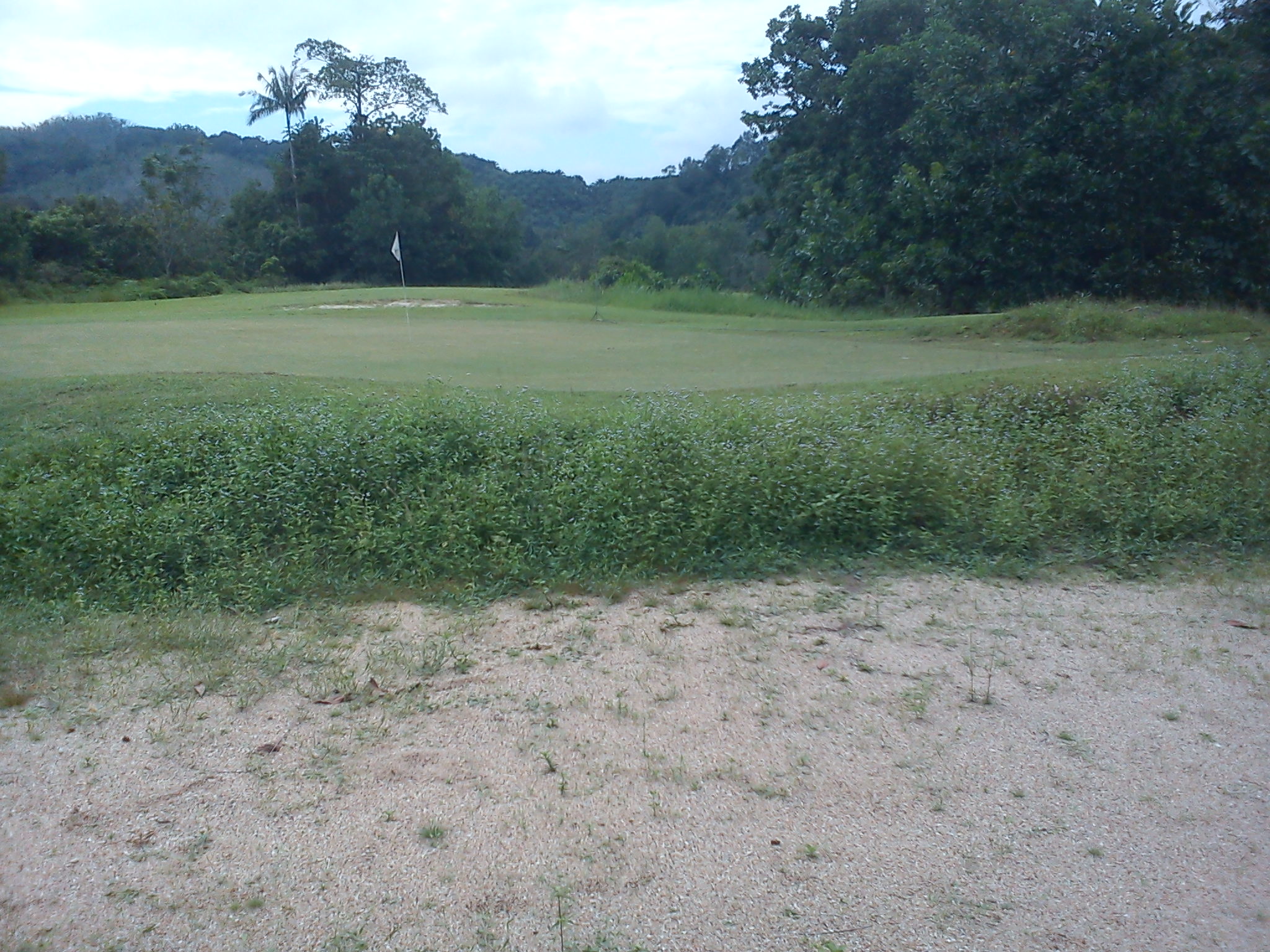
Instead of mowing, they sprayed with the same herbicide for years.

Instead of mowing, they sprayed with the same herbicide for years.

I have sadly seen this on bunkers in one golf course where instead of mowing the faces; they took the easy way out by spraying them. After many years, the bunker faces erode and species that are not affected by that particular herbicide; succeeds. And that, I suppose why the phenomenon (is the spelling right?) is called weed succession.

Now sadlier (that means even more sadly. Duh) some clubs also spray around trees, beside buggy paths and drains with herbicide; with the same results.
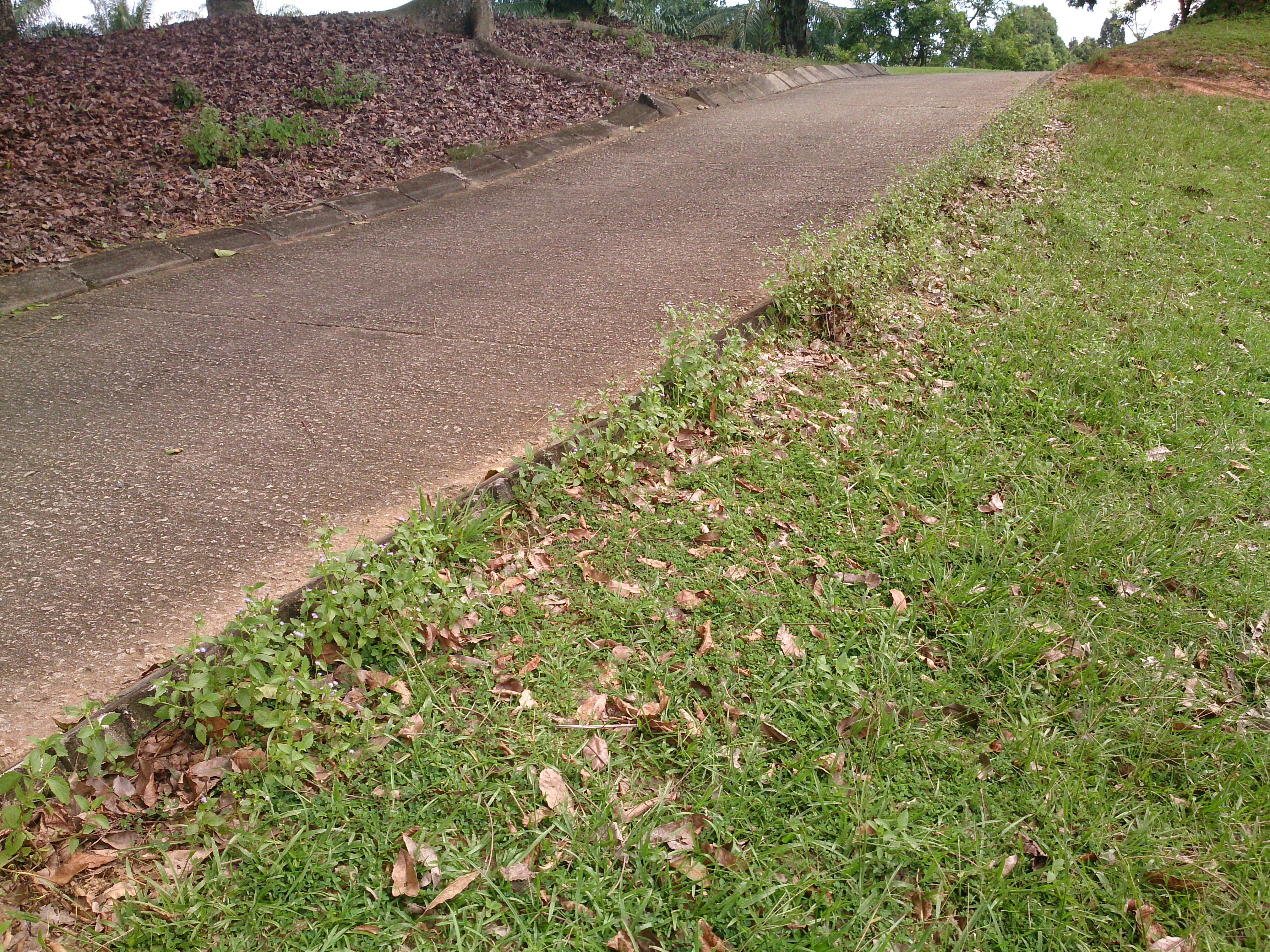
Edging with herbicide

Edging with herbicide

The herbicide usually used is glyphosate which works against grasses but in high doses would kill broadleaves too and if it doesn’t, some operators would just increase the rate.

I worked at one club that had a few kilometers of fencing that they used herbicide to keep clear. They didn’t notice two things: that they needed to increase the dosage of the herbicide and there’s a lot more creepers on the fence now. Well, not until I pointed it out anyway.

I just switched to a different herbicide – one that actually kills broadleaves – and they managed to control it better. Not that I feel it is the best option, once or twice a year I would insist they use heavy equipment to clear the buffer (actually I had to insist on creating a buffer first) with the excuse it will keep cost lower in the long-term.

It is always about cost, isn’t it?

The way to prevent weed succession and/or tolerance or resistance to a herbicide is of course, to simply just use a herbicide with a different mode of action once in a while.

That wasn’t so hard, was it? Actually judging from the amount of these stuff I see on different golf courses; the concept may be a abit harder to grasp. I understand; I teach spraying and chemical application on golf courses. If you need further inforrmation, do contact me at 03 – 5131 OO66 or normasATconsultant.com with AT replaced with @.
Posted in Golf Course | 4 Comments »

What Enstein said

Posted by mynormas on April 28, 2015

Is it too ambitious to put one of the greatest minds in history to the level of grass growers? I don’t know. I just want to draw attention to his quotes and.how at least one, if not two of them relate to some of what I see in Malaysian golf clubs and football fields. “Insanity” said Mr. Enstein “is doing the same thing over and over again and expecting different results”.

Does that ring a bell? We talk about the (poor) quality of our golf course or field but we do not change anything in the efforts or methods of how we maintain either one. We still use the same fertiliser or the same amount or, in the case of golf course fairways and tees or many football fields; we don’t fertilise at all. We cut our football field irregularly and we have not or worse, never have done any aeration on our fields. Yet we wonder why there is no improvement in quality. Honestly? We shouldn’t wonder, we should just accept it as it is and play it or take up bowling, or fishing or for the footballers; futsal perhaps?

I get it, sometimes there are just too many things to be done that we don’t know where to start, but start we must. If we can’t afford to do the big things, maybe we can start small. Change we must, better now than never. Not all improvements have to be million-ringgit renovations or purchases you know, sometimes it is just about perception and not necessary reality. Consistent greens at moderate speeds? A cleaner golf course? Stripes on a football field?

Maybe a change in fertiliser? Or better still; a soil test to see if we’ve done it right all this years? Trimming the trees surrounding the green may help. I know, I know, the committee/management/owner will never agree. However, you will be surprised how many people who said that have never actually broached the subject to the committee/management/owner. I once was asked to present recommendations on how to improve a particular football field, they told me they can’t afford it; problem was, I haven’t told them how much it costs yet. I guess it was easier to carry on as it is rather than to take an unusual, different and extra step to actually improve it.

Part of what I do is mentoring the existing staff in the effort to improve the quality of a golf course, I’ll tell you it is easier to do it with superintendents and staff who are new rather than those have been in one place too long where every suggestions or recommendation can be taken as a challenge, old habits are hard to break and complacency sets in.

I usually will try to tweak the maintenance practices that I hope will make some changes and I try to find the stuff that is there without incurring immediate extra cost. Measuring green sizes for example and calculating the amount of fertiliser for each green. Changing pesticides; whether the brand or type or how its applied.

Sometimes I go for something new like dragging a metal drag mat on the greens in lieu of grooming. “Will it work?” I am asked. I don’t know; lets try and see what happens. At the very least, it changes the way the staff see the greens. No kidding.

That’s when sometimes I run into opposition, for example when I asked that insecticides are applied early in the morning or late in the evening, I am told that “the insects here are active in the afternoon”. Fine. Problem is, that golf course is plagued by insects for years; and various types and combinations of insecticides have been used to no avail, so why not give a different time of application a try?  Why do the same thing and expect a different result?

If you don’t have a groomer or any sort of vertical cutter, why not try pulling a ‘metal carpet’ on the greens just to shake up the grains a bit? Most old school superintendents will find excuses not to do it, or they’ll tell me they’ll do it and never actually do, but I had one former-factory-manager-turned-Superintendent who followed my instructions blindly. He had four walk-behinds of different makes and models to mow 18 greens but his greens turned out to be consistent and pretty fast for a cutting height of 4.5 to 5mm.

Don’t get me wrong. It is okay to do the same things again and again. Go ahead. After all, I don’t know everything and not everything I suggest may work for everyone. What is wrong is expecting a different result. That, according to old Albert, is insanity, but then, he is also the same guy who said that “We cannot solve our problems with the same thinking that created them”, so maybe it is about using a different kind of thinking. Be offended, go on, if that prompts you or anyone into using their imagination and making some changes; I have not wasted the two hours writing this.

Posted in Golf Course | Tagged: , , , | 1 Comment »

Mengenal ‘Penyakit’

Posted by mynormas on April 13, 2015

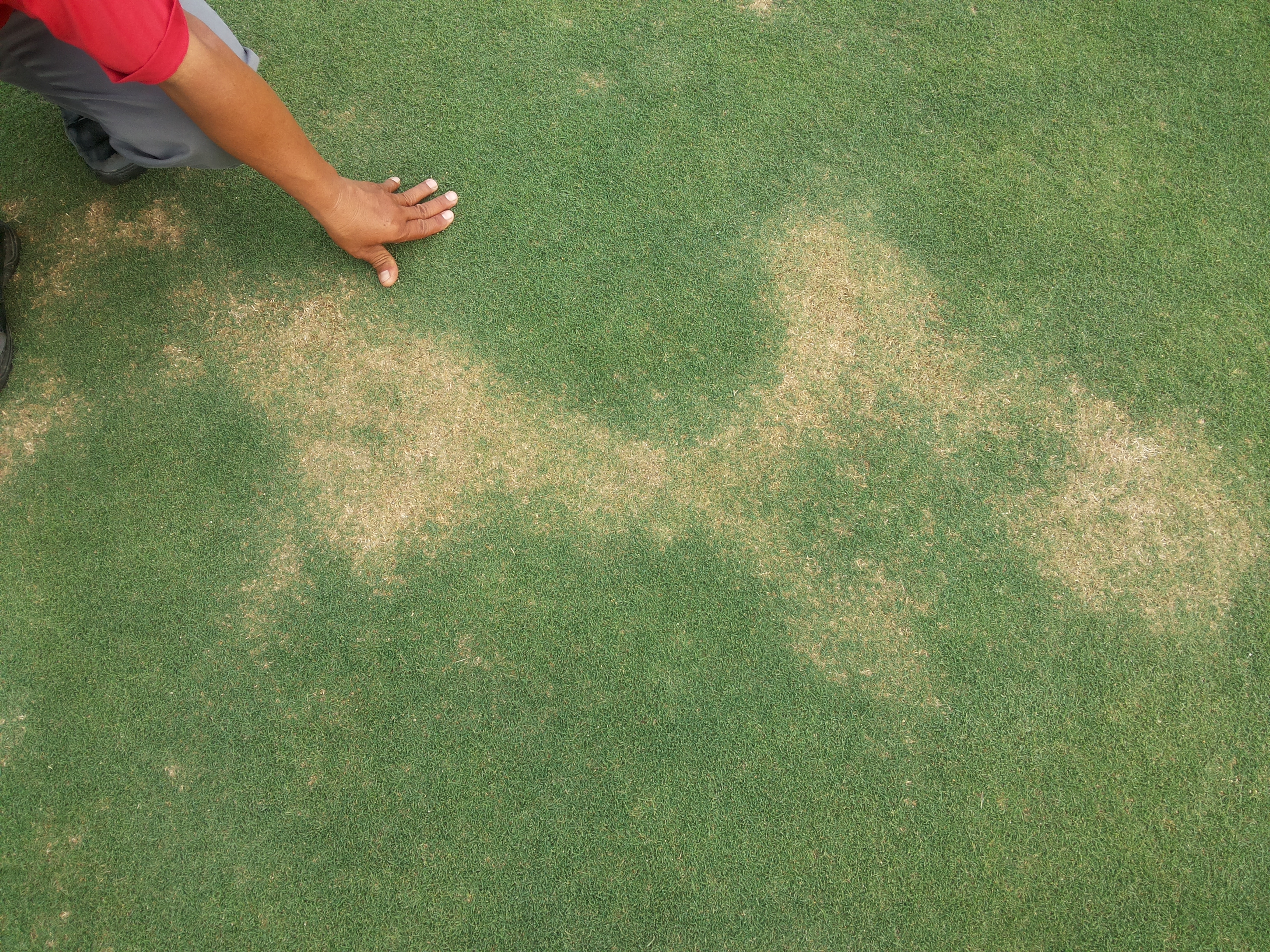
In the past few years I’ve been travelling visiting golf courses and a few football fields in Malaysia, one common problem I see is the difficulty some (let me stress that; some) Superintendents find it difficult to diagnose what is wrong with their grass. Especially on greens. I know it can be difficult to identify what disease is at fault except perhaps Fairy Ring but I find it a little alarming when the an insect attack is confused with fungi or even irrigation water contamination is blamed on disease (did that sound right). I’ve seen greens being compacted by some kind of heavy machinery and yet it was blamed on fungus. Sure, there were fungus on the green but you could see that the disease was mostly on the tyre marks and whatever the guy was dragging behind that tractor; a heavy roller perhaps? So I put together a slide that I used for teaching golf course staff on how to identify between abiotic and biotic causes of damage or disease on the course. I also saw a well-constructed football field having problems because the outlet drains were clogged: unclog it, and it improved almost immediately. The slides are in the Malaysian language because it is used to teach Malaysian staff. It is a two-day course and includes a calibration module. For more info on this and other field/course maintenance seminars, please contact me.

Penyakit apa membuat corak begini? What disease does this?

Penyakit apa membuat corak begini? What disease does this?

Dalam kerja saya sekarang, saya banyak melawat padang golf dan padang bola, dan salah satu masalah yang paling selalu saya jumpa ialah masalah pengenalan kepada penyakit di padang. Kekadang kita confuse di antara penyakit kulat dan serangan serangga. Kekadang masalah yang datang dari pengairan pun kita salahkan kulat. Saya pernah lihat rumput yang mempunyai kesan tayar pun di salahkan kepada kulat juga. Saya pernah lihat rumput yang di salah spray di salahkan penyakit rumput. Saya pernah jumpa padang bola yang di perbuat dengan sempurna dan di jaga dengan baik tetapi bermasalah, saya dapati masalahnya ialah paip outlet membawa air keluar dari padang telah sumbat. Setelah itu di perbaiki, padang tersebut telah berfungsi seperti biasa: tiada penyakit.

Saya telah membuat satu kursus bertajuk “Kursus Asas Aplikasi Racun di Padang” untuk di ajar kepada kakitangan padang dan slaid ini di gunakan sebagai petunjuk kepada mereka untuk membezakan punca penyakit. Ia dalam Bahasa Malaysia. Kursus ini adalah selama dua hari dan termasuk cara kalibrasi mesin. 

Untuk maklumat lanjut tentang kursus ini, sila hubungi saya…

<div style=”margin-bottom:5px”> <strong> <a href=”//www.slideshare.net/normas98/diagnosis-penyakit-rumput” title=”Diagnosis penyakit rumput” target=”_blank”>Diagnosis penyakit rumput</a> </strong> from <strong><a href=”//www.slideshare.net/normas98″ target=”_blank”>Normas Yakin</a></strong> </div>

Posted in Fields, Golf club, Golf Course, Golf Course Superintendents, Greens, Maintenance, Padang, Padang Golf, Taman | Tagged: , , , , , , , | Leave a Comment »

Hot and kering

Posted by mynormas on February 23, 2015

The Malaysian Meteorological Department has issued a statement that the current hot and dry spell in Malaysia will last until end of March 2015. 
That’s 30 over days away. Bearing in mind that some parts of Malaysia haven’t had rain since a couple of weeks ago, the question to ask is; do you have enough irrigation water to last for the next 30 days? Or maybe even longer?
It would be good to know early so that you may want to start rationing, look for other sources of water or perhaps look around for other alternatives to making your irrigation more effective and efficient. You know, wetting agent, better sprinklers or even an irrigation audit. I’ve heard of claims that a slight increase in Kalium (thats Potassium to you Americans) will help in retaining water but don’t quote me.

Jabatan Meteorologi Malaysia telah mengeluarkan kenyataan tentang cuaca panas dan kering sekarang akan berlanjutan hingga akhir Mac 2015. Ini adalah lebih dari 30 hari dari hari ini.
Adakah kita mempunyai air yg cukup utk menyiram hingga April?
Jika tidak, kita mungkin perlu mencatu air, mencari sumber lain ataupun alternative lain seperti agen pembasah (wetting agent) audit sistem pengairan dan sebagai nya. 
Selamat Mencuba!

http://www.met.gov.my

image

Posted in Fields, Golf Course, Greens, Landscape, Lanskap, Maintenance, Padang, Padang Golf, Rumput halaman rumah, Rumput secara am | Tagged: , , , | 2 Comments »

AM61A ganti brushcutter

Posted by mynormas on February 16, 2015

Last month I visited a company in Sri Iskandar, Perak that dealt with mowers. They deal in mowers that they imported in from Japan and were marketed for the agriculture sector, which made them really really cheap compared to golf course mowers. The mowers look tough and rugged. I haven’t seen the cut but I’m sure it is better than a brushcutter’s and good enough for the rough and maybe even some fields but what made me really interested was that their mowers were also small enough to be operated under and around trees. 

Mesin AM61A in action.

Mesin AM61A in action.

Last week they sent me a few video clips of which one really really got me looking real hard at them. This particular machine the AM61A was versatile and powerful enough to replace not one but at least five brushcutters! No kidding. You can watch the YouTube video below. 

Please take this in the context that Malaysian golf courses are – or will – be facing a shortage of manpower especially the foreign workers. This machine may be the answer to two reasons for the lack of local workers: 

1. Reducing the need for brushcutters will mean the reduction in the need for brute force and physical demands.

2. Reducing the number of workers through productivity and mechanisation can mean increasing the pay of individual workers.

Or maybe you can just reduce your workforce and increase profit?  

Bulan lepas saya telah melawat sebuah syarikat di Sri Iskandar, Perak yang memasarkan mesin memotong rumput keluaran negara Jepun yang di tujukan ke industri perladangan dan pertanian. Oleh itu mesin mereka mempunyai harga yang murah berbanding dengan mesin yang di jual khusus untuk padang golf.

AM61A di kawasan yang biasa di potong oleh brushcutter

AM61A di kawasan yang biasa di potong oleh brushcutter

Saya amat tertarik kerana mesin mereka kecil dan mudah di pandu di kawasan sempit seperti di bawah atau keliling pokok dan murah (deja vu! Saya dah cakap tadi eh?). Saya tak tengok lagi kualiti potongan (saya melawat kedai mereka dan melihat video) tapi saya yakin ia lebih baik dari brushcutter tapi kalau setakat rough dan mungkin padang bola atau taman, tiada masalah.

Tetapi yang paling saya suka ialah suatu video (lihat di bawah) yang menunjukkan bagaimana mesin AM61A boleh menewaskan suatu brushcutter dan menunjukkan bahawa satu mesin AM61A boleh menggantikan hingga lima brushcutter.

Kita kan mengalami masalah pekerja; samada pekerja asing yang makin susah dan mahal untuk di bawa masuk ataupun pekerja tempatan yang kurang gemar bekerja di padang golf. Pada pendapat saya, mesin AM61A ini boleh membantu dua cara untuk menambah pekerja tempatan:

1. Mengurangkan keperluan menggunakan kekuatan dan ketahanan fizikal

2. Mengurangkan jumlah pekerja maka ada kemungkinan imbuhan kepada pekerja boleh di naikkan.

Ataupun, anda boleh kurangkan pekerja dan tambah keuntungan.

Posted in Golf Course, Golf Course Superintendents, Landscape, Lanskap, Maintenance, Padang, Rumput | Tagged: , , , , | 7 Comments »

Rumput untuk Stadium

Posted by mynormas on January 27, 2015

Kesilapan memilih rumput adalah masalah utama kebanyakkan pemilik tanah, dari sekecil halaman rumah hinggalah ke sebesar padang golf. Rumput yang cantik di padang orang lain, belum tentu cantik di padang kita. Rumput yang cantik di dalam gambar, belum tentu cantik di tempat kita. Rumput yang cantik di nursery belum tentu cantik di laman kita.

Di tiap kawasan atau tanah atau tapak atau padang; redup, cuaca, iklim-mikro, keupayaan penjagaan, kegunaan dan sebagainya tak sama. Jadi jangan lah kita pilih rumput berdasarkan kecantikan atau kebagusan nya di tempat lain dan kita tangkapmuat dia di tempat kita dan berdoa supaya ia padan.

Di dalam slaid-slaid berikut saya cuba memberitahu apa yang saya pertimbangkan ketika saya membantu sebuah stadium membuat pilihan rumput. Saya cuba jadikan pemilihan rumput itu sebagai suatu proses sama seperti memilih pemenang dalam rancangan hiburan. Peserta rancangan hiburan ada menang dalam kategori tertentu dan ada peserta yang menang dalam acara keseluruhan. Begitu juga dalam pemilihan rumput; saya bahagikan proses pemilihan ke dalam tiga ‘kategori’ dan pilih pemenang untuk tiap kategori. Peserta yang paling banyak menang dalam kategori-kategori itu akan memenangi acara keseruhan. Tentunya pemilihan saya bukan muktamad, saya akan memberi ‘ranking’ dan terpulang kepada tuanpunya untuk membuat keputusan terakhir. Kadang-kadang, ada perkara yang berada di luar jangkaan seseorang. Contohnya tuanpunya mahukan rumput yang sama dengan stadium lain sediaada, atau rumput ranking kedua adalah rumput kegemaran boss, atau rumput dalam ranking pertama tiada ‘backup’ atau tiada di jual oleh pembekal/nursery lain. Maka mungkin tuanpunya mahu membuat ‘gamble’ dan memilih rumput dalam ranking kedua atau ketiga.

Menggunakan rumput yang tiada ‘backup’ adalah – pada pendapat saya – suatu keputusan yang berisiko tinggi. Padang kita  akan menjadi tebusan pembekal sekarang dan di masa yang sama, jika rumput di padang rosak atau mati seminggu sebelum suatu acara/pertandingan penting, kita tiada sumber untuk mendapat bekalan untuk menampal kawasan yang mati atau rosak.

Sebagai bonus, untuk mengelakkan pemilik padang ini menerima nasihat penjual yang memaksa mereka menggunakan terlalu banyak input sewaktu penanaman, saya telah memasukkan beberapa cadangan untuk proses tanam semula. Saya cadangkan supaya mereka kembali ke basic. Guna pasir kasar sudahlah, tidak perlu lain lain bahan seperti tanah liat, top soil yang terlalu banyak (satu lapis?) ataupun benda-benda ‘canggih’ lain.

Jika anda dalam proses memilih rumput untuk padang anda; silakan guna proses ‘3K’ ini. Jika anda ingin membuat penyampaian kepada boss anda dan anda memilih untuk menggunakan proses 3K, saya hanya minta anda beri kredit kepada saya.

Ataupun, jika anda akan membelanjakan jutaan ringgit untuk menanam padang, mengapa tidak belanja lebih kurang 0.001% dari satu juta untuk membayar seorang pakar yang telah membela rumput selama 20 tahun? Anda boleh tanya soalan ini sekarang atau anda boleh tunggu 3 tahun lagi bila soalan ini di tanya oleh pemberita, Board of Director ataupun pengguna ketika rumput di padang anda mula bermasalah.

Selamat membaca.

Posted in Golf Course, Golf Course Superintendents, Greens, Landscape, Maintenance, Padang, Padang Golf, Rumput halaman rumah, Taman | Tagged: , , , , , , , , , | 6 Comments »

Si Penjaga Padang

Posted by mynormas on January 19, 2015

I saw this video shared on a Sports Turf Manager LinkedIn group. It was a pretty good video & I thought of how some Malaysians view grass maintenance; its boring and eh.. easy. So easy that we pour in millions to plant; spend hundreds of thousands annually to maintain & yet pay little attention (and salary) to the people who manage it.

Saya terjumpa suatu video di dalam group Sports Turf Manager di laman sosial LinkedIn dan saya teringat tentang penjagaan padang (bola, golf ataupun permainan) di Malaysia. Siapakah orang yang menjadi “Sports Turf Manager” di Malaysia? Saya tidak berniat nak mempertikai kelulusan ataupun pengalaman penjaga padang sekarang; tetapi saya ingin mempersoal sikap dan komitmen tuanpunya padang samada Persatuan Bolasepak, Kementerian, Majlis Sukan, kerajaan tempatan ataupun pihak swasta dan saya ingin mengungkit tentang siapa orang yang menjaga padang di Malaysia.

Terlalu selalu, yang saya lihat, ialah orang di atas seolah-olah pentingkan dan risaukan padang, tetapi di bawah, bila saya turun ke padang (literally and figuratively) yang bertanggungjawab jaga padang adalah beberapa orang pekerja asing yang sedang cuba nak baiki mesin usang untuk potong rumput (bukan sedang potong rumput). Lepas tu kita hairan kenapa padang kita tidak secantik padang di luar negara.

Saya tidak memperkecilkan pekerja asing; saya sering jumpa pekerja asing yang tangan kirinya mempunyai attitude kerja yang lebih baik dari dua orang pekerja tempatan (bukan awak, orang lain; tapi kalau terasa; siapa yang makan cili…).

Berapa buah stadium kita yang ada ‘Sports Turf Manager’? Berapa banyak padang kita yang di jaga dengan baik? Saya tahu, jawapan yang akan di beri ialah budget yang kecil. Saya mencadangkan supaya budget beberapa padang berdekatan di gabungkan dan di beri kepada satu kontraktor sahaja, supaya dia mempunyai purchasing dan hiring power yang lebih besar. Setiap Persatuan Bolasepak Negeri seharusnya mempunyai seorang Sports Turf Manager yang menjaga stadium dan juga padang latihan yang sepatutnya mempunyai rumput dan taraf penjagaan yang sama dengan dalam stadium (jadi tak perlulah berkeras latihan mesti dibuat di dalam stadium).

Untuk Majlis Daerah dan kerajaan tempatan pulak, banyak di antara mereka yang mempunyai padang golf sendiri. Seharusnya mereka menggunakan kepakaran dan peralatan padang golf di padang bola mereka. Menggunakan baja padang sama dengan baja fairway adalah keputusan bijak dan menguntungkan pembeli dan penjual (Kan purchasing power lebih besar? Negotiate lah. Not to mention peralatan untuk menabur baja boleh pinjam dari padang golf)

Beberapa IPT tempatan juga ada mengeluarkan graduan yg seharusnya tahu tentang penjagaan rumput kalau bukan penjagaan padang. Universiti Putra Malaysia dengan graduan Diploma atau Ijazah Pertanian atau Horticulture dan juga, yg menarik,  saya pernah jumpa pelajar dan pengajar dari Kolej Risda dari Melaka yg nampaknya menitikberatkan pendidikan tentang rumput. UiTM di laporkan ada ijazah Park and Amenities tapi saya dengar cuma ada satu kelas tentang rumput dan saya tak pernah jumpa pensyarah mereka di seminar tempatan jadi mungkin rumput bukan tumpuan mereka. Kita ada orang yg berpotensi, terpulang pada kita utk menggunakan nya atau tidak. 

Akhir sekali, Kementerian Belia dan Sukan dan Kementerian Pelajaran sedang mengwujudkan beberapa siri pendidikan di tahap sijil dan diploma dalam pengurusan rumput. Walaupun di tajuk sijil/diploma itu ada sebut ‘golf’ yang bertentangan dengan cadangan saya untuk tidak guna perkataan ‘golf’ (siapalah saya orang nak dengar…), sebenarnya mereka berkelayakkan menjaga rumput di sebarang jenis padang. Mereka akan keluar/graduasi dalam mungkin setahun dua lagi. Sementara itu, saya mencadangkan tuan-tuan mula membiasakan diri dengan pekerja tempatan. Suka atau tidak, akan tiba masa kita tidak akan dapat lagi mengambil pekerja asing untuk potong rumput.

Oleh itu (ya lah, in perenggan akhir), saya cadangkan tuan-tuan mula memikirkan renovasi atau pembaikan padang yang akan menggunakan kurang tenaga kerja dan lebih mekanisasi. Kurangkan penggunaan mesin galas belakang. Kurangkan pokok hiasan yang di tanam rapat-rapat supaya mesin boleh potong di antara pokok dan matahari cukup untuk rumput di bawah pokok; lakukan penakaian menggunakan chainsaw atau racun. Jika baru nak mula untuk tanam pokok hiasan; ingat canopy pokok bertemu canopy pokok SEWAKTU IA DEWASA lima tahun nanti, bukan sewaktu mula tanam. Median atau divider pembahagi jalan atau kerb tepi jalan tu perlu di potong dengan brush-cutter? Tidak ada undang undang yang kata pokok mesti di tanam di tengah-tengah divider atau kerb. Tanam lah ia off-center agar mesin boleh potong rumput di sebelah pokok. Cari mesin ride-on (boleh-pandu) yang kecil dan mudah di bawa or even better; use a mini tractor with mid-mounted mower. Elakkan kawasan rumput yang kecil yang perlu dipotong dengan tangan dan sebagainya…

Lakukan sesi latihan/seminar utk pekerja padang selalu supaya kesilapan di kenali,  tidak di lakukan atau di ulang, dan penting sekali, kakitangan rasa di hargai. Menjaga rumput dan padang bukan semudah yang anda sangka.

Bila pemain-pemain bola bergantung kepada si penjaga rumput untuk mempastikan struktur tanah yang padat supaya mereka tidak mengalami kecederaan; bila penyokong-penyokong pasukan datang berbondong-berbondong untuk memberi sokongan; bila pemimpin atau ketua mengeluarkan kenyataan harapan kemenangan; siapakah yang kita harapkan untuk mempastikan pentas pertandingan dalam keadaan terbaik? Siapakah yang kita percayakan untuk memandu mesin potong rumput yang bernilai di antara RM60,000 hingga RM180,000? Pekerja dari negara jiran yang selepas beberapa tahun akan membawa balik kepakaran serta pengalaman mereka dan kita akan bermula semula dari sifar?

Tuan-tuan dan puan-puan, mungkin sudah tiba masanya kita ada ‘Sports Turf Managers’ dan Groundsman atau Greenkeepers kita sendiri. Ia bermula dari kita; kita mesti meminta dan mendapat padang yang lebih baik dari yang kita ada sekarang. Itu mesti kita jadikan hak kita dan kita boleh mulakan dengan bertanya; “Siapa penjaga padang ini?”

Posted in Golf Course, Padang, Taman | Tagged: , , , , | Leave a Comment »

A maintenance Schedule

Posted by mynormas on January 12, 2015

Can you play on this grass?

Kekadang kita dapati padang kita mempunyai masalah yang tidak dapat di elakkan seperti penyakit, serangga ataupun banjir; tetapi kadang-kadang masa kita nak guna padang tu kita dapati rumput kita ada masalah yang di lakukan oleh penjaga rumput. Kerja clash dengan Event; kalau kita tak bagi dia buat, dia ugut rumput mati, kalau kita teruskan, customer marah. Soalan: Adakah kita mempunyai Jadual Penjagaan? 

Do you find that the maintenance work your turf (football field, golf course, park, etc) keep clashing with major events, or that you have to apologize to a customer because he played on turf that is ‘less than perfect’? Do you become irritated when the turf maintenance guy asks for higher expenditure in one month and sometimes it is in the month with the lowest income?  Do you understand why, everyone and their mother, knows that the months of Nov and December of every  year is the rainy season but yet, after all this years, nothing has been done to prepare the turf so that minimal disease and damage happen? Have you ever asked, if everybody is aware of the date of the year’s main event (Club Championship, football final, concert season, school holidays etc) why can’t they prepare the turf to take the extra stress?

Question: do you have a turf maintenance calendar?

In the context of turf maintenance, there are a few maintenance works that fall under the category of ‘Cultural Practice’ that needs to be applied or performed at certain intervals.  Of course, for most turf areas these works disrupt play or enjoyment of customers, clients and guests. At the same time, most golf courses, football fields, or parks cannot afford to be closed wholly for long periods of time.

The best way to overcome this problem is to schedule these works into periods of low activity for example; in between football seasons, during fasting month, major exams week etc. This way, the disruption occurs to the least number of customers, which can be easier to handle.

Other benefits of scheduling work for the whole year includes:

1. Peaking the performance of the playing field/golf course during the period when it will receive the most media or customer attention.

2. Knowing exactly the amount of interval between the maintenance activity; e.g. between aerations or dethatchings; and adjusting accordingly.

3. Informing important guests or big organizers of when to schedule (or reschedule) their event. In my experience, several organizers are grateful  to be informed earlier and especially if we can help to point an alternate site for them.

4. Preparing the grass for the times when it is predicted to receive the most amount of stress. E.g. before the monsoon season, or before the grassed area is turned into a temporary car park for an annual sale or ‘buka puasa buffet’ or concert or lion dance etc.

5. Staggering the purchase of materials and equipment needed for one major work over many months will help in managing the cash-flow better and will help you spread the costs over the year.

6. Keeping staff employed effectively through most of the year.

How do you start?

Start by having two lists:

1. List of events for the year or probable time of the year for the events. This may include, school holidays, public holidays, wedding season, golf season etc.

2. List of maintenance work activities (cultural practices, liming, soil amendment etc). Basically any major work that will disrupt play. Forget regular fertilizing or irrigation or stuff like that that can be manouvered around play.

Also weather pattern for the past few years. Ok, you may ask: what pattern? Did I miss the global warming crisis? Stop making excuses and get a monthly bar chart of rain days or rainfall; at the very least, you can make educated guesses.

Next:

Simple sample of yearly schedule

  1. Take  one of your most important and biggest (messiest) work of the year and consider when you would have that.
  2. Choose the time when traffic is lowest on your site but weather is tolerable. And mark the dates for your work.
  3. Basing on the interval for the same work, set the  dates for the next round (e.g. twice a year: six months later, 4x a year: 3 months later etc)
  4. Then stagger the other works so that it is not too close to the main works as in no 2 and 3 above.

Its not that difficult is it? Well, who said turf maintenance was rocket science? Of course, if you’ve never done it before or if the turf maintenance guys don’t have the support of the event management or marketing or golf management guys/gals; they’ll never get it done and the result is finger pointing the whole year. I’ve seen it done and I’ve seen people lose their jobs too.

Of course its not the end of the story after you actually do the annual calendar. Then you do the monthly calendar. This is especially important to maintenance crews that have limited manpower and resources (tractor, machinery etc.) You plan your work so that you can have enough workers for your projects and enough projects for your workers.

Because of a tournament (in red ink) extra attention was given to the greens a week prior to the event. Of course lucky Mountan View had an experienced consultant (ahem) to guide them.

Now that is the easy but yet tricky part. At the same time it is important because this is the time when you should know the exact dates of tournaments, visits, etc so that you can plan your work.

Remember too that a schedule is not set in stone that it cannot be changed. But not having a schedule is as true as the cliche: “Failing to plan is like planning to fail”

Posted in Fields, Golf Course, Maintenance, Padang, Padang Golf, Rumput halaman rumah | Tagged: , , | Leave a Comment »

Rumput selepas banjir

Posted by mynormas on January 5, 2015

The recent flood in Malaysia has affected a few stadiums, football fields and lawns, The priority of course, is to save the people and to reduce their suffering. Next will be their property and helping them move on with their lives. For some, looking after grass is part of their work or even part of their home. This sharing is for them. Do add any tips you have in the comments here in http://www.mynormas.com and not on my FB.

Banjir yang baru lepas ini adalah antara yang terburuk yang kita telah lalui. Orang dan tempat yang tidak pernah banjir sebelum ini pun telah mengalami nya. Ini termasuklah beberapa stadium dan padang bola.

File pic: Flooded field.  Gambar hiasan.

File pic: Flooded field.
Gambar hiasan.

Walau apa kita panggil keadaan sekarang dan sesiapa pun kita nak salahkan, yang penting sekali ialah kita dan orang orang lain selamat. Lepas tu kita cuba untuk selamatkan harta benda kita. Ada orang yang kerja mereka adalah menjaga padang bola, golf dan ada orang yang laman rumput adalah sebahagian dari rumah mereka. Posting ini adalah untuk mereka, Jika anda ada maklumat lain/tambahan, sila tambah di bahagian comment di sini di http://www.mynormas.com dan bukan di FB saya.

Selalunya air banjir akan surut selepas beberapa hari dan kebanyakkan rumput boleh bertahan keadaan air banjir untuk beberapa hari itu. Bila air surut, kita akan mempunyai lebih banyak perkara yang lebih penting yang perlu kita selesaikan sebelum kita nak fikir tentang rumput ataupun halaman kita. Tapi bila semua yang lain dah settle ataupun untuk orang yang kerjanya memang menjaga rumput samada di taman ataupun di padang, apa seterusnya?

Pertama sekali, kita mesti keluarkan sisa air bertakung di atas permukaan rumput. Gunakan pam air, atau gunakan hos untuk sedut secara ‘siphon’  ataupun guna cangkul untuk buat longkang sementara supaya air mengalir keluar.

Gambar hiasan: membuang pasir yang terlalu tebal.

Gambar hiasan: membuang pasir yang terlalu tebal.

Kedua, kita bersihkan apa yang air banjir bawak masuk. Daun kering, kayu, sampah yang dulu kita buang merata (padan muka!), pampers dan apa apa yang bukan berasal dari rumput kita, kita buang. Membuang benda besar adalah senang. Yang lebih susah ialah benda halus seperti selut dan pasir halus yang mendak. Kedua dua benda ini adalah merbahaya pada jangka masa panjang kerana butir butir selut yang halus boleh masuk ke celah celah butir tanah atau pasir yang lebih besar dan menyumbat profil tanah kita dan menyebabkan air, nutrient dan udara tak boleh tembus ke bawah. Selut itu juga mempunyai potensi membawa unsur-unsur lain yang boleh mengubah sifat kimia tanah kita.

Gunakan cara manual dengan penyapu, penyodok, cangkul, tangan dan sebagainya. Ataupun gunakan air untuk ‘pancut’ selut dan pasir supaya ia lari melalui saliran. Kita TIDAK MAHU ia masuk ke celah rumput dan ke dalam tanah. Selut BUKAN topdressing yang baik.

Butir selut adalah lebih halus dari pasir dan akan menyumbat ruangan di antara butir pasir

Butir selut adalah lebih halus dari pasir dan akan menyumbat ruangan di antara butir pasir

Ketiga, repair kawasan yang rosak – jika ada. Beli rumput baru dan tanam ataupun ‘curi’ dari kawasan sempadan kawasan sendiri. Ataupun curi dari belakang tiang gol ataupun sempadan green dan collar yang jauh dari tempat golfer masuk. Ganti di tempat yang rosak tadi.

Keempat, bila cuaca dah kurang hujan dan kita lebih banyak masa; lakukan pengudaraan iaitu menebuk tanah sedalam lebih kurang empat inci dan gantikan dengan pasir baru. Ini akan membantu air masuk melepasi struktur/profil tanah yang telah rosak akibat di cemari selut dan pasir halus. Topdress untuk menutup lubang baru itu. Jika anda biar ia terbuka, selut boleh masuk jika banjir berlaku lagi. Topdress guna pasir yang lebih kasar dari apa yang kita guna. JANGAN guna pasir yang lebih halus. Ini nasihat yang boleh di guna pakai bila bila pun.

the 'layering effect'

Pelapisan atau ‘layering’ dalam profil tanah.

Nota: gunakan HOLLOW tine dan bukan solid tine. Ertinya sewaktu kita buat pengudaraan, kita akan keluarkan tanah lama dan masukkan pasir baru. Bukan vertidrain, venting, needle tine dan sewaktu dengannya.

Nota kepada nota: Jangan topdressing jika anda tidak pasti anda dah keluarkan semua selut atau silt. Jika anda topdress, anda mungkin bersubahat dalam pembuatan tanah lapis (layering) yang akan lebih teruk lagi menyekat kemasukkan air, nutrient dan udara ke dalam tanah dan penembusan akar.

Better than nothing. Menggunakan manual hollow tine bagus untuk orang yang tiada mesin ataupun untuk buat di tempat tempat yang kecil sahaja.

Better than nothing. Menggunakan manual hollow tine bagus untuk orang yang tiada mesin ataupun untuk buat di tempat tempat yang kecil sahaja.

Kelima, belajar dari kesilapan. Dimana anda boleh buat benteng? Di mana anda boleh tambah perparitan? Bolehkan anda guna pagar yang mempunyai lubang lebih halus supaya kurang sampah masuk? Dan sebagainya.

Keenam. Lakukan soil test. Kita takut air banjir membawa perubahan kepada sifat kimia tanah. Do a full soil test. Ambil dari semua green yang terlibat dan bandingkan dengan satu dua green yang tidak kena banjir jika ada. Untuk padang rumput yang besar; ambil di beberapa tempat yang di tenggelami air dan bandingkan di kawasan yang tidak di tenggelami air, bukan dari daerah atau padang lain: di padang yang sama. Ya. Padang bola pun mesti buat soil test. Sekarang ia boleh di lakukan di makmal tempatan, layari http://www.sgs.com. Anda boleh gunakan university tempatan tetapi dari pengalaman saya, ia lebih mahal, lebih lambat dan perlukan penterjemahan oleh seorang agronomist. Dan lakukan ia setahun sekali atau dua kali  supaya kita dapat memantau perubahan.

Selamat Mencuba!

Posted in Fields, Golf Course, Greens, Lanskap, Rumput, Taman | Tagged: , , , , | 1 Comment »

Shade & Serangoon

Posted by mynormas on December 8, 2014

I found a tee that was almost completely shaded by trees. I was told this has been the case for a few years.

image

In my experience, in most cases, the tee would have been in poor condition, but not this tee.
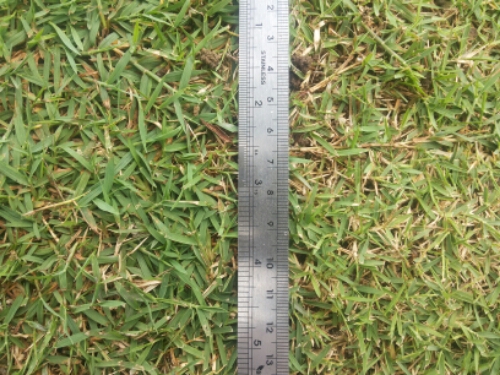
Upon closer inspection and after asking the Superintendent, I was told that the tee – in fact the golf course – was planted with Serangoon grass (I believe its Digitaria didactyla). This strengthens my belief about the shade tolerance of Serangoon. There is a bit of browning and scalping on the surface which I believe are due to Philippine grass  (Zoysia tenuifolia?) planted there when they enlarged the tee.
Both grass are a lighter green in colour compared to Bermuda and Cowgrass.

image

On the left is Serangoon, on the right is Zoysia.

It is a pity that the only nursery I know of that sold Serangoon has replanted it with Bermuda and golf courses that has Serangoon greens are rumoured to be contemplating to change to other grasses. I hope it is not about following a trend. I also hope that, in this context, they think about their shade issues too.

Baru baru ini saya terjumpa sebuah tee (org Malaysia kata tee-box) yg hampir terlindung sepenuhnya oleh pokok. Ini bukan perkara baru tapi selalu nya saya perhatikan rumput di tee yg terlindung akan bermasalah rumput yg terlindung akan kurang makan kerana kurang photosynthesis dan akan memanjangkan daun utk mencari matahari dan memendekkan pertumbuhan akar utk menjimat tenaga.

image

Tapi di tee ini, rumput ini subur walaupun sudah bertahun tidak di baja.
Saya di beritahu tee ini di tanam dengan rumput Serangoon yg memang di kenali sebagai rumput yg ‘shade tolerant’. Ia juga di campur dengan rumput Philippine sewaktu tee di besar kan saiznya.
Adalah malang sekali jika kita kehilangan species rumput tempatan ini kerana satu satu nya nursery yg menjual Serangoon sudah tidak lagi menjual nya. Dan padang golf yg mempunyai green Serangoon di khabar kan akan menukar kepada rumput lain.  Kita memang suka benda benda import ni kan? Rumput, kereta, baja, consultant…
Apa pun saya harap mereka ambil perhatian tentang kawasan terlindung di padang mereka. Jangan menyesal kemudian…

example of tees suffering under shade
Contoh contoh tee yg rosak akibat teduhan (examples of tees damaged due to shade)

Posted in Fields, Golf Course, Golf Course Superintendents, Greens, Landscape, Lanskap, Maintenance, Padang Golf, Rumput, Rumput halaman rumah, Rumput secara am, Taman | Tagged: , , , , | Leave a Comment »